Change Language :
A comparison of different bearing types
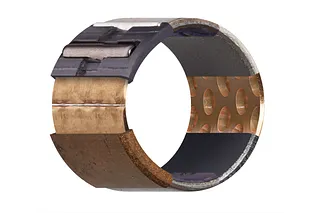
If you are looking for suitable plain bearings, you can choose between different bearing types. These differ both in terms of their material and their mode of operation. However, they all have one thing in common: they work according to the same principle. The surface of moving components rubs or slides over the surface of the plain bearing. Various measures can be taken to minimise friction. To give you an overview, we summarise the structure and function of different plain bearing types here.
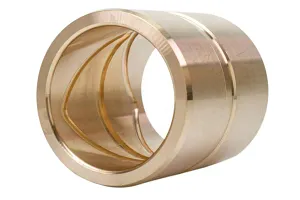
Plain bearings with lubrication groove - structure and operating mode

Sintered bearings - structure and operating mode


Consulting
I look forward to answering your questions
Hennlich doo Beograd+381 11 63 098 17Write e-mail
Shipping and consultation
In person:
Monday to Friday from 7 am - 8 pm.
Saturdays from 8 am- 12 pm.
Online:
24h
WhatsApp-Service:
Montag – Freitag: 8 – 16 Uhr