Change Language :
Mobile shore power supply at the port of Copenhagen - saving time and increasing flexibility in daily operations
A mobile socket outlet covers the power supply at two quays over a length of up to 360 metres
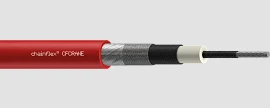
Carefree power supply: The port of Copenhagen has equipped several terminals with modern shore power connections. Mobile terminals with sockets for connecting to cruise ships have been set up on the quays along a length of up to 360 metres. The energy chains that transport the heavy cables run reliably in an underground trough. This keeps the terminal free at all times. Several transfer vehicles, which transport the cables up to the connection point on the ship, were also equipped with robust energy chains and durable chainflex cables from igus.
Products used
Flexible shore power supply
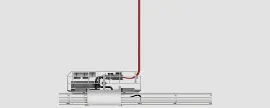
Energy supply on the quay
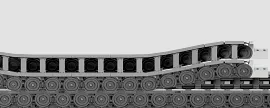
Cable technology